
From Tom’s Bullying to Ove’s Defiance
A Man Called OveThis flow traces how Tom’s bullying and the demand that Ove betray his principles escalate into a confrontation that fixes Ove’s understanding of loyalty and justice.
increasing Bearing strength in each event
 decreasing
Bearing strength in each eventdecreasingThe Stolen Wallet
The Stolen Wallet
A test of honesty
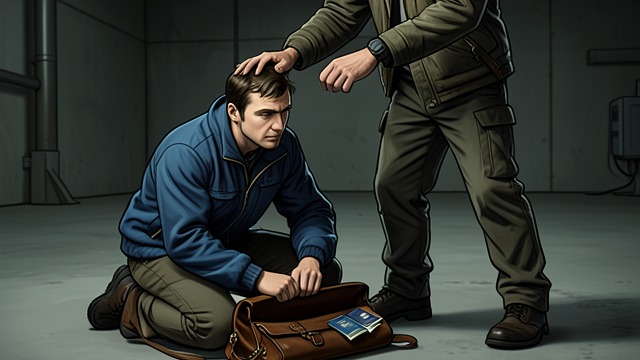
While working alongside Tom, Ove finds a wallet containing a large sum of money. Tom tries to take it and invokes the rule that finders may keep what they find. Ove resists, despite knowing that Tom is larger and more powerful.
A lesson in responsibility
Ove’s father intervenes but does not decide what Ove should do. Ove chooses to take the wallet to the lost-property office, and his father affirms the decision without turning it into a lecture. The encounter establishes a standard Ove will later use to judge himself: doing right matters even when the easier choice is tempting.
The Foreman’s Cruelty
The Foreman’s Cruelty
Power used as punishment
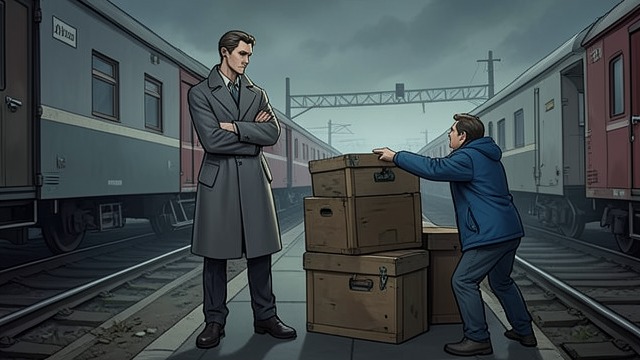
After Ove returns to railway work following his father’s death, Tom becomes his foreman and repeatedly makes his life difficult. He assigns punishing jobs, trips him, and puts him in danger around moving railway cars, even taunting him with the memory of his father’s death.
Silence as discipline
Ove keeps working and refuses to answer Tom’s provocations with complaints. He believes his father’s example requires him to do his job and not waste words on those who want to provoke him. The silence preserves Ove’s pride, but it also gives Tom room to keep escalating the abuse.
A False Accusation
A False Accusation
The theft is redirected
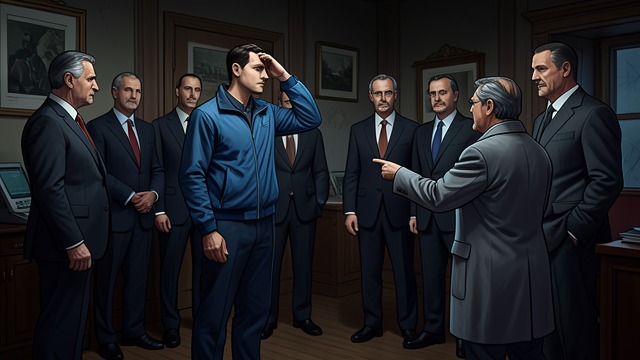
Tom steals money from a railway carriage and blames Ove. When officials question them, Ove refuses to name Tom, even though the men in the office believe he did not take the money. He will deny his own guilt, but he will not secure his innocence by betraying the rule his father taught him.
Principle carries a cost
Tom’s accusation wins him the immediate advantage: Ove loses his railway position. Ove leaves with his work clothes and the shame of being treated as a thief, though his anger is directed more at losing the job his father had worked than at the insult itself. The refusal makes his integrity costly rather than abstract.
The Missing Watch
The Missing Watch
Humiliation returns
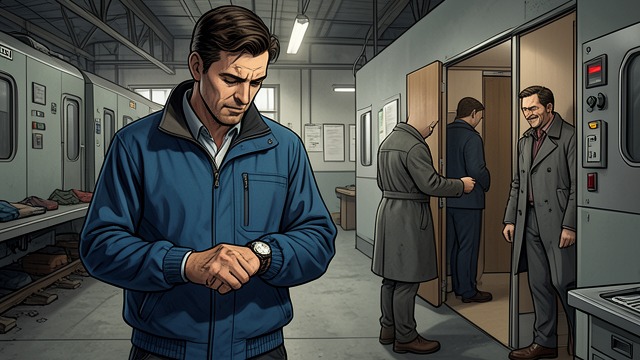
Years later, after the fire destroys Ove’s home, Tom mocks him at work and disappears into the changing room with Ove’s father’s old watch. Ove has already endured the loss of his house and the indifference of officials; Tom’s taunts reopen the earlier wound of being falsely branded a thief.
Silence reaches its limit
Ove searches for the watch and realizes it has been taken from his clothes. What he once endured without confrontation now feels like an intolerable attempt to rob him of the last tangible link to his father. He goes to find Tom, his restraint finally overtaken by a need to recover what is his.
One Blow and a New Boundary
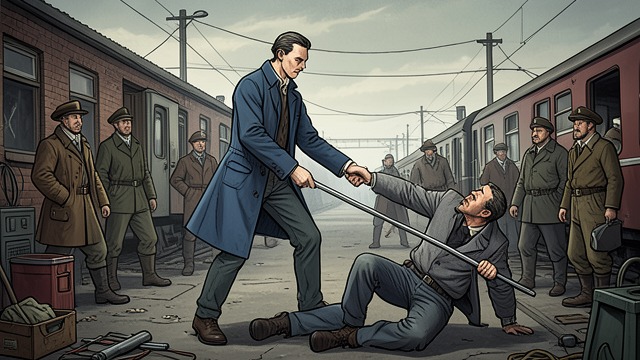
One Blow and a New Boundary
Recovery by force
Ove confronts Tom in front of the other workers and demands the watch. When Tom denies having it, Ove tears open his jacket and retrieves the watch from its inside pocket. He strikes Tom once, knocking him to the floor, and walks away without continuing the fight.
Defiance changes the pattern
The witnesses protect Ove by claiming not to remember what happened, and Tom is left to explain his injuries as a fall. Ove keeps his job but leaves construction work, carrying forward the conviction that he will not let someone trick him again. The confrontation does not erase his earlier refusal to betray another person; instead it marks the point where loyalty to principle also includes defending himself.
At the railway yard, before Ove turns ten
During Ove’s first years working on the railway after his father dies
The day Ove is questioned about the missing carriage money
At the railway workplace, after Ove loses his home in the fire
Immediately after Ove discovers his father’s watch is missing
